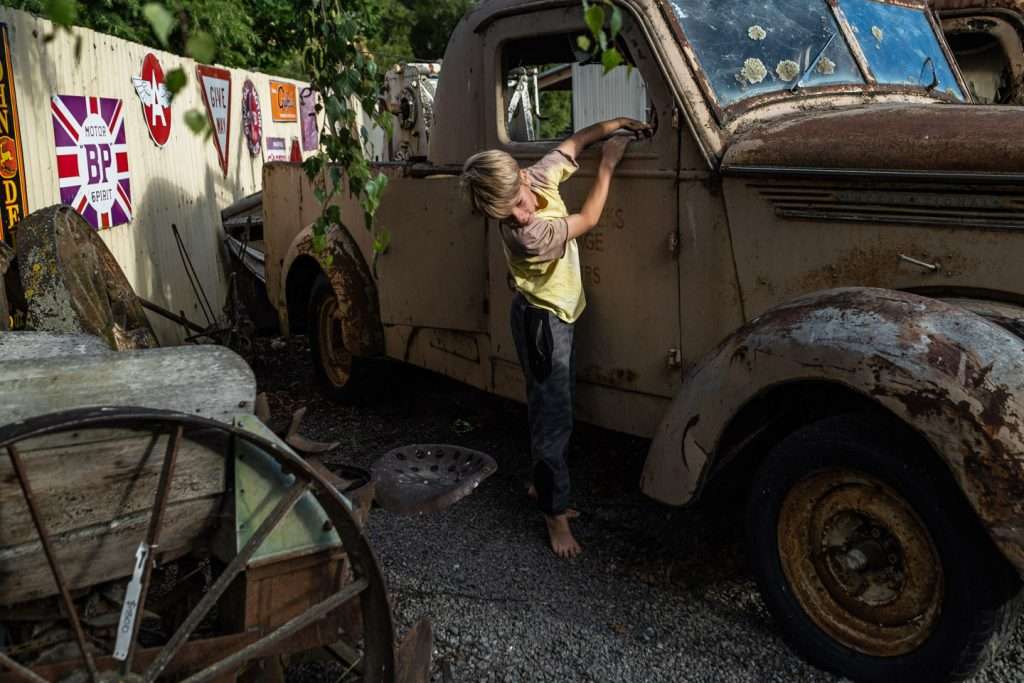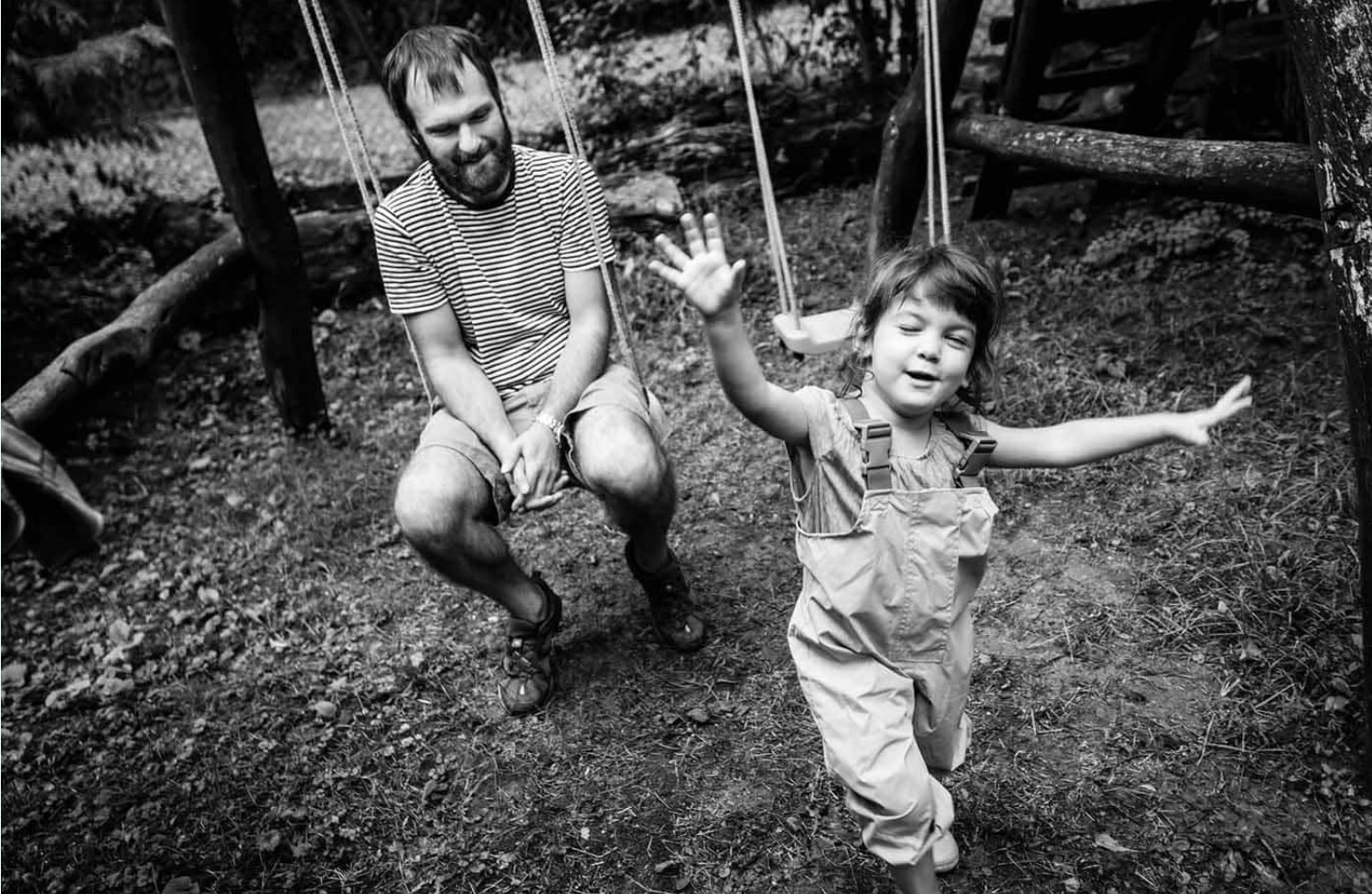
Get your camera out and join a new hands-on course that ventures into the heart of documentary photography. Make it Visible! Documentary Photography as Storytelling offers learners a chance to see beyond the surface and tell meaningful stories through impactful and considered photographs.
We sat down with tutor and photographer Mea Baráth who explains what documentary photography is, why it matters, and shares some of her tips as well as what you can come to expect in her course. All photos courtesy of Mea Baráth.
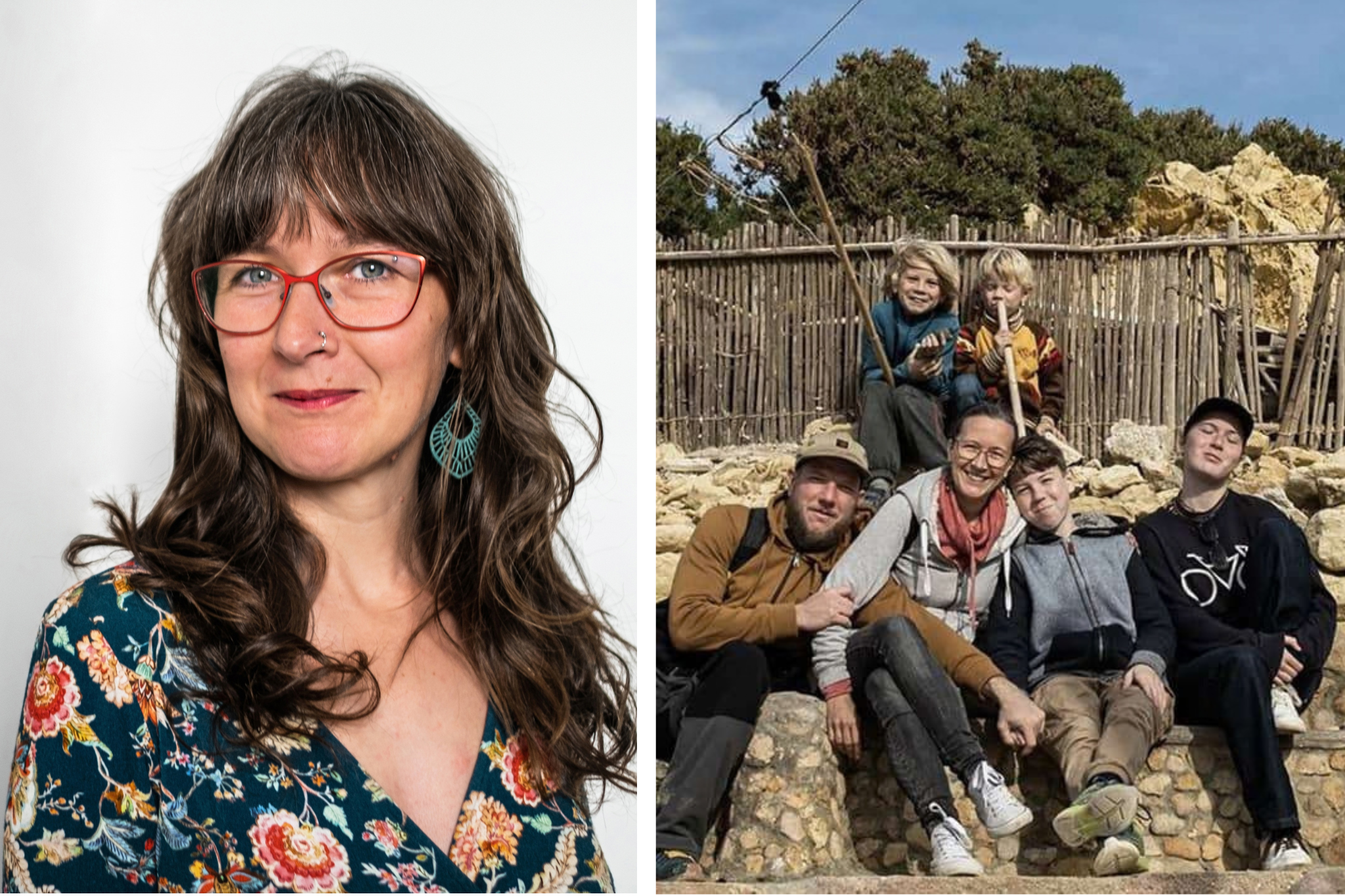
Kia ora Mea! Your work as a documentary photographer is about capturing the world around you. To start off, can you take us into your world and where you’re coming from as a photographer and tutor.
I photograph the “nothing special” in the everyday lives of families, because that is where what we call Life happens. I have four children; Our lives are loud, chaotic, and crazy things are always happening to us. My children have taught me that there is no perfect family, and being a parent has greatly influenced my work and how I approach documentary photography. Life with my children is perfect in its own way and, while challenging, it is the most wonderful, richest thing in life. I think family photojournalism, documenting pure moments speak about that and centring family stories has helped me understand that the ordinary is never truly ordinary when you slow down enough to witness it.
To put it simply, my path was both studied and organic. I’ve been a photographer for 17 years, I learned through formal education in Hungary, I have had my own photo studio as well, but equally through lived experience, motherhood, migration, and community life. Those layers inform how I see, and “what we see, is what we are” says Ernst Haas.
For those who may not already be familiar with the concept, what is “documentary photography” as you see it, and how does it differ from other forms of photography?
Documentary photography is storytelling rooted in real life. I like to call it “visual storytelling”, which is a more colourful name and helps foreground the narrative aspects. Unlike some other forms of photography that are more deliberately orchestrated for capture, visual storytelling hones in on observing, listening, and responding to what is actually happening rather than staging or directing it. It asks the photographer to witness rather than control. That being said, although documentary photos are rooted in truth, the photographer still makes creative decisions such as what to include, when to click, or what perspective to show. These decisions shape the visual story and influence the emotional tone and impact of an image.
My general approach to visual storytelling is to position it as less about creating a perfect image and more about creating an honest one reflecting the reality as captured by the person behind the camera. The aim is not to polish reality into something more convenient but instead to stand still long enough for something true to unfold.
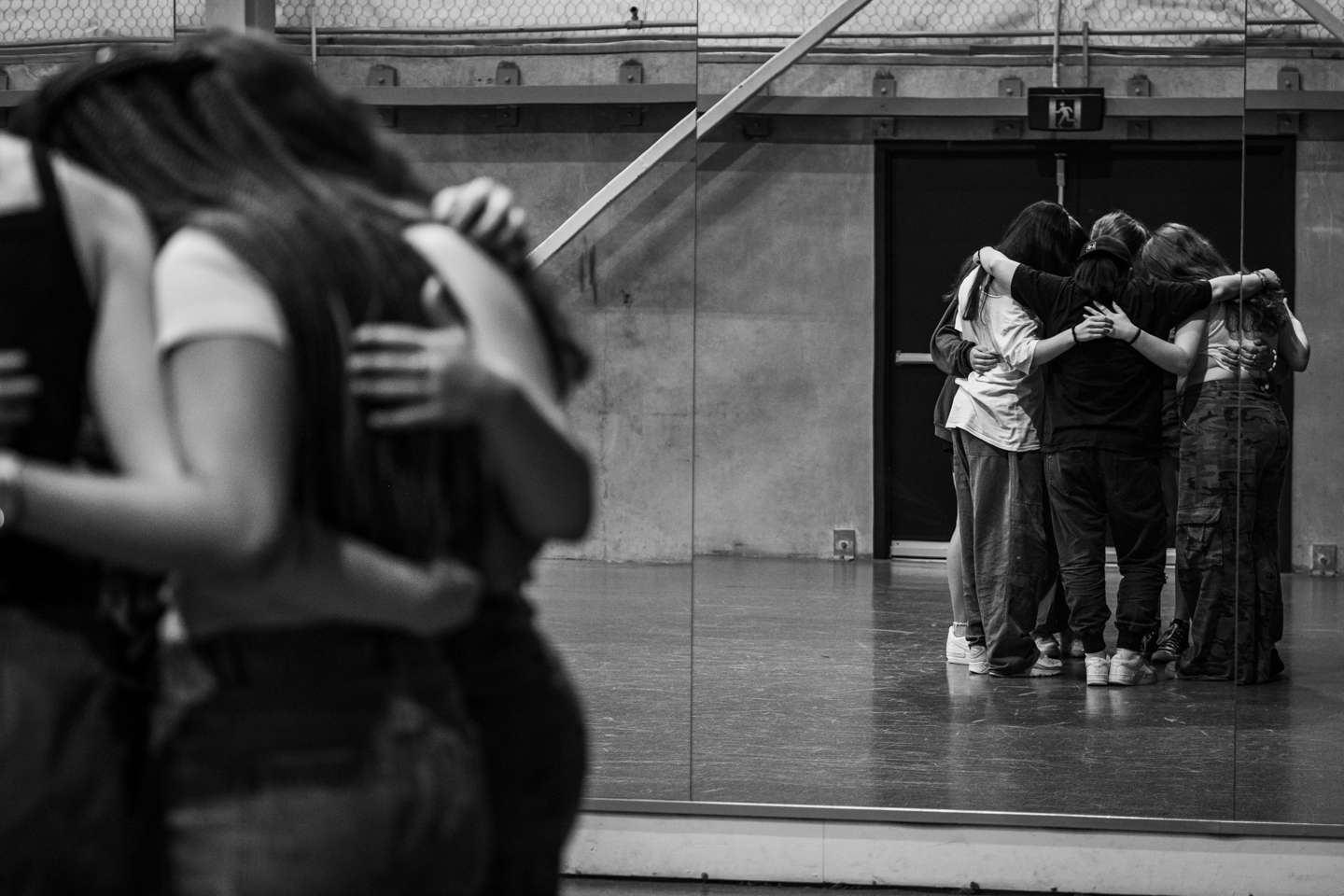
Embedded in this seems to be the importance of observation as a starting point for visual storytelling. What are the steps to move from observation through to shaping a story? What kind of narrative, aesthetic, and technical considerations are at play?
Observation is the foundation. I begin by immersing myself and noticing the place and the people I’m around – how light enters a room, watching gestures, relationships playing out.
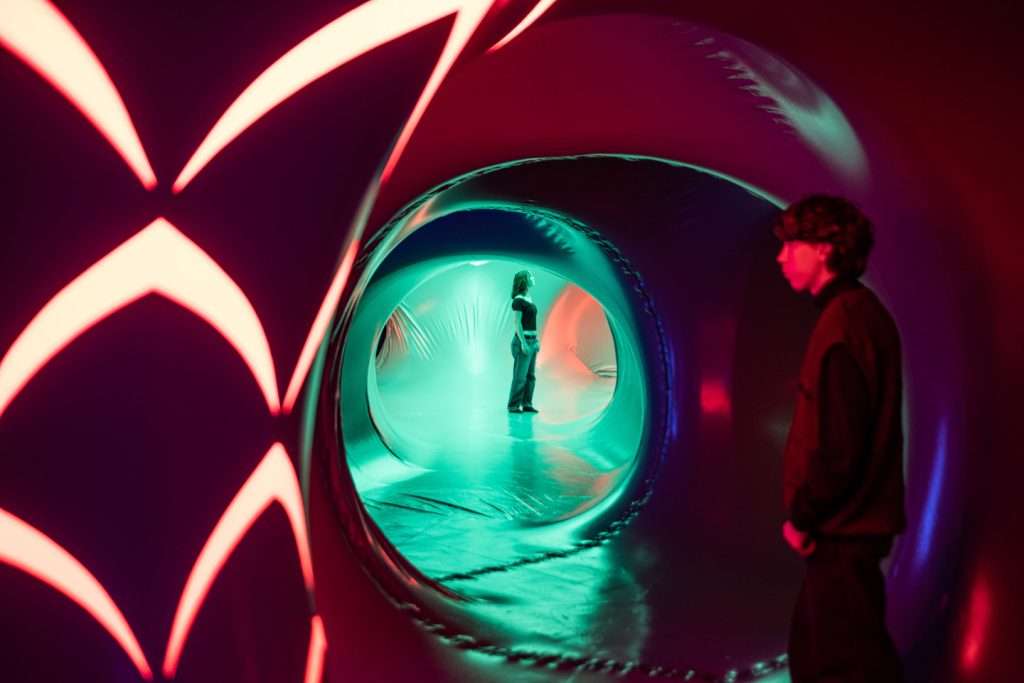
Shaping the story then happens in layers:
- Narrative: What is the emotional arc? How do I lead the viewer in? What questions arise? What is left unsaid?
- Aesthetic: Composition. How does light enhance the mood? Is the frame intimate or distant? What is included or omitted from the image?
- Technical: Depth of field, movement, timing – these are conscious choices. They influence how a moment is perceived. The camera settings matter, yes – depth of field, shutter speed, distance – but they are only in service of feeling and the purpose.
The order of the images is where the story really breathes. A single image can tell a story of a moment, but a series can reveal things and lead us through a whole wider narrative. The course covers each of these aspects and this is where learners will be able to recognise their growth as a photographer, not only in the technical skills they build but also in their individual style and voice as it emerges.
There is a very human side to visual storytelling—for both photographer and subject—that is built on connection, trust, and empathy. Can you expand on this relational element a little more.
Successful visual storytelling asks for vulnerability, from both sides. Creating authentic emotive images requires trust, and this is built slowly over time through presence, transparency, and respect. Trust grows when people understand that they are not being used but seen. There’s a strong ethical dimension to doing this kind of work. Just because something is visually striking doesn’t mean it should be shown. Consent is central. Care is central.
When trust is present and people feel safe to be themselves, something shifts. The camera stops being an object between people and becomes a bridge.
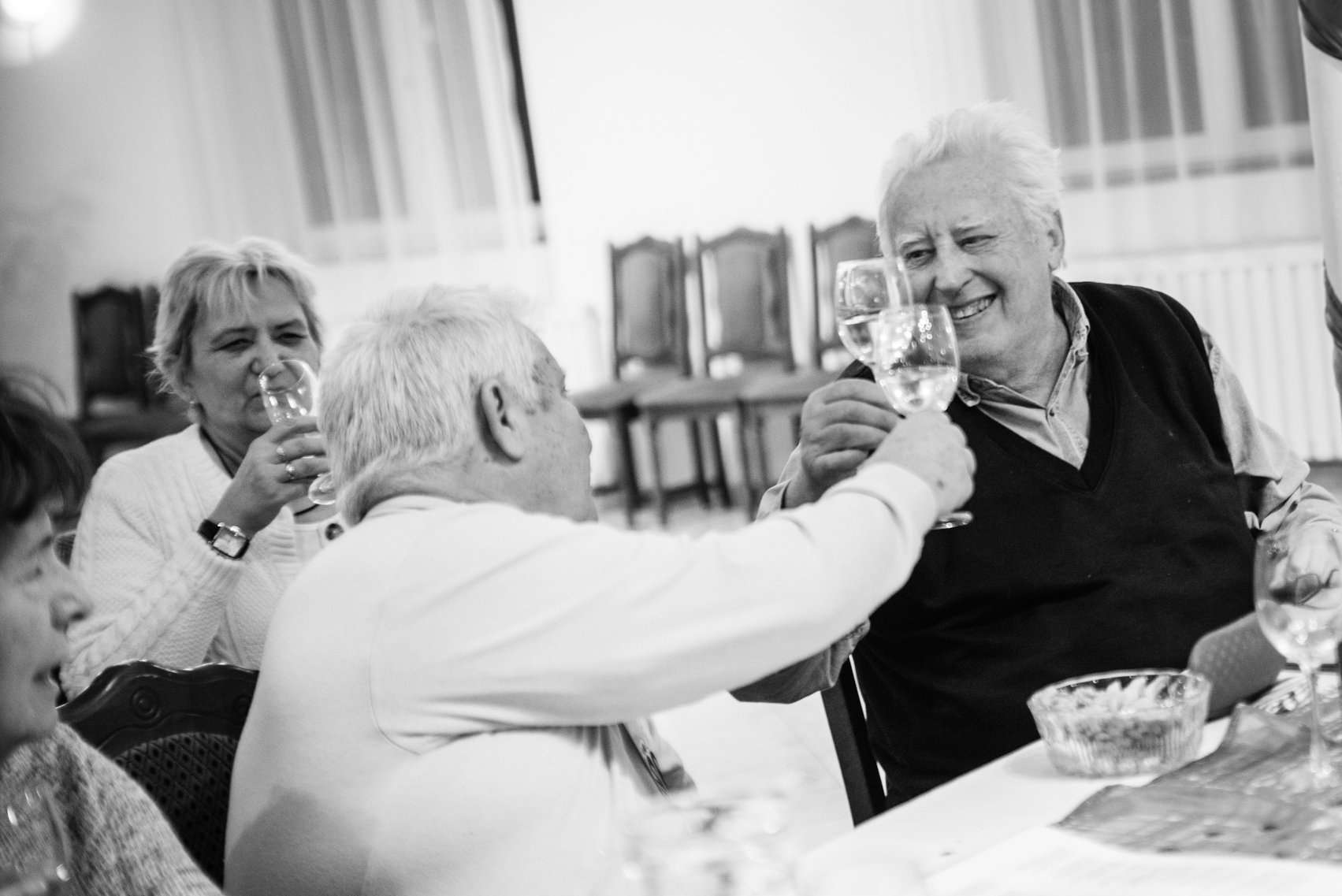
Throughout your career you would have crossed many bridges. Do you have favourite kinds of stories to tell or any themes that you find yourself coming back to time and again in your work?
Yes. I love family stories and stories about connection—often about people’s connections with nature and the different ways they belong to or move through the natural world. I’m currently working on a project documenting the life of a family living deep in the forest. It was a privilege for me to follow them in pictures and to document their everyday lives where the connection to nature appears as a basic value.
I also love to document creative processes and the unseen emotional labour of daily life. The kind of work close to my heart explores everyday family life – not curated, not polished, but tender and imperfect. I like to show how love lives in the small gestures.
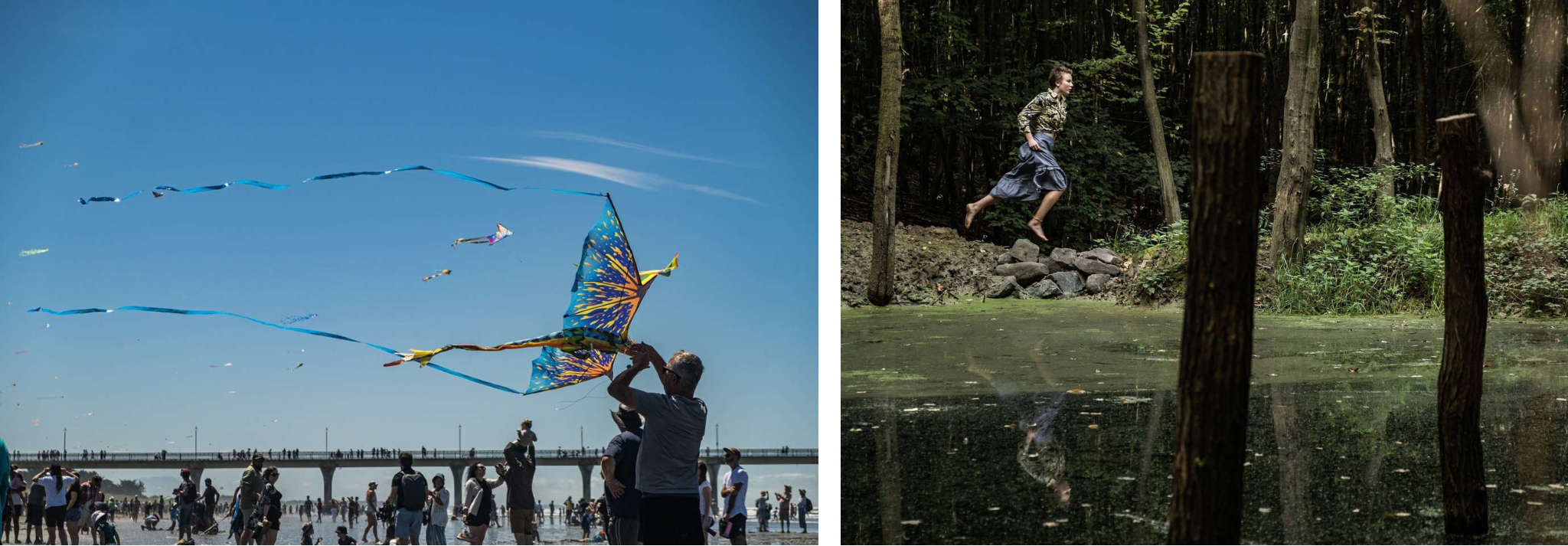
Is there a photographer or a work that has been particularly inspiring or left a lasting impression on you?
I love the work of Finnish photographer, Jari Silomaki. The handwritten personal lines put the documentary photos he takes into a whole new perspective. Very intimate.
Another favourite is András D. Hajdú, whose photos show a deep interest in people: their motivations, their joys, their sorrows, their decisions, their lives. He is passionate about understanding human nature, and his images are honest and authentic.
Over the 8 weeks, learners in your course will go through the entire process of creating a visual story, from finding a story to the technical skills to capture it and finally presenting and sharing their works to the class at the end. You’ll be there to guide them and provide feedback along the way each week, but can you share some of your top tips for documentary photography for those reading now?
Documentary photography tells the truth – but it’s always the photographer’s truth. So, I encourage learners to lean into this subjectivity and follow your curiosity! My other tips would be to:
- Choose subjects that matter to you personally. Whether through your identity, past, relationships, or questions you carry
- Spend time without the camera. Listen first. Be with people before photographing them.
- Be open to vulnerability. It’s okay to let your subject affect you.
- Let your own presence or perspective be felt.
Remember, you’re not just pointing at the lens at something. As a documentary photographer you’re saying: “This is how it feels. Let me show you.”
Enrol in Make it Visible! Documentary Photography as Storytelling. Term 4 begins Wednesday 14 October 2026 | 6.30 – 8.30 pm